Tooth Extractions in Louisville, KY
Nobody wants to lose a tooth. When it is the right call, we make it as calm and painless as it can be.
Tooth Extractions
Losing a tooth feels like a failure. It is not. Sometimes a tooth is too damaged to save, and removing it is what protects the rest of your mouth.
Dr. Beam does not pull a tooth she can save. If there is a reasonable way to keep it, she will tell you what that takes and what it costs, and let you decide.
In pain right now?
Call (502) 206-2460. We keep room for same-day emergencies.
What Is a Tooth Extraction?
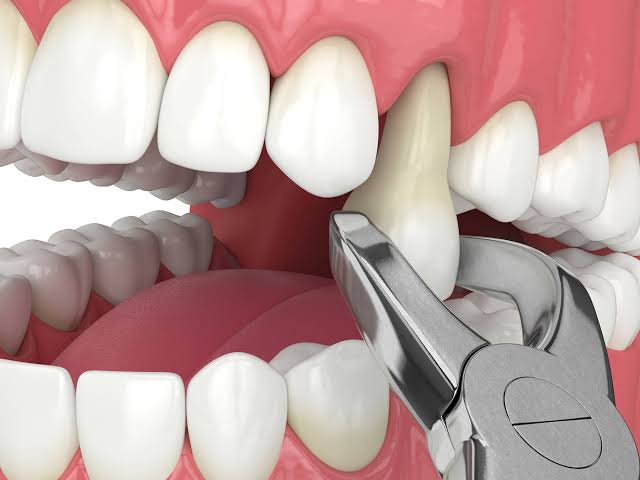
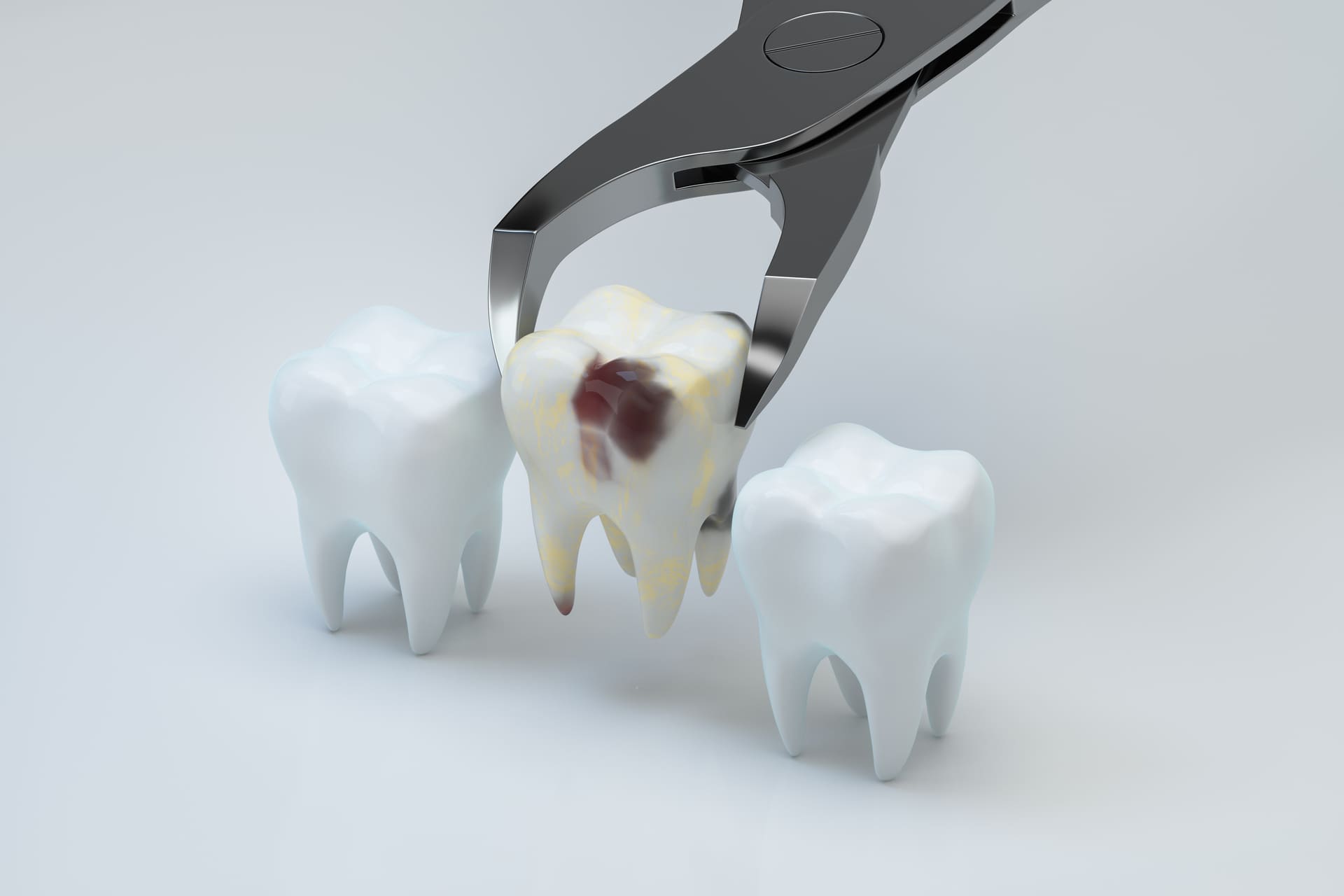
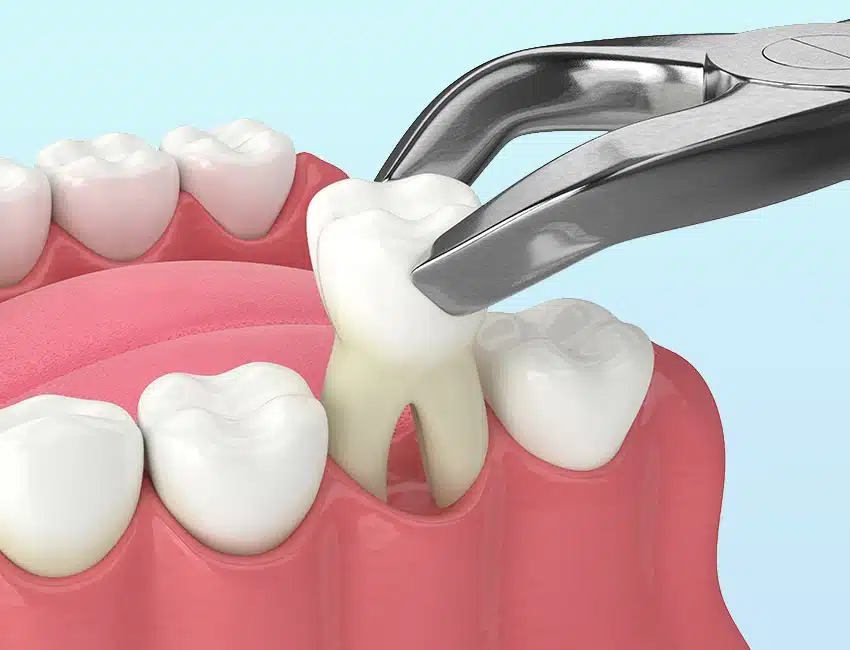
An extraction is the removal of a tooth from its socket. The area is fully numbed first, so you feel pressure and movement but not pain.
A simple extraction removes a tooth that has come in normally and can be reached above the gumline. That is the kind we do here. A surgical extraction, for a tooth that is broken below the gum or trapped in the bone, is a different procedure and we refer those out.
Problems an Extraction Solves
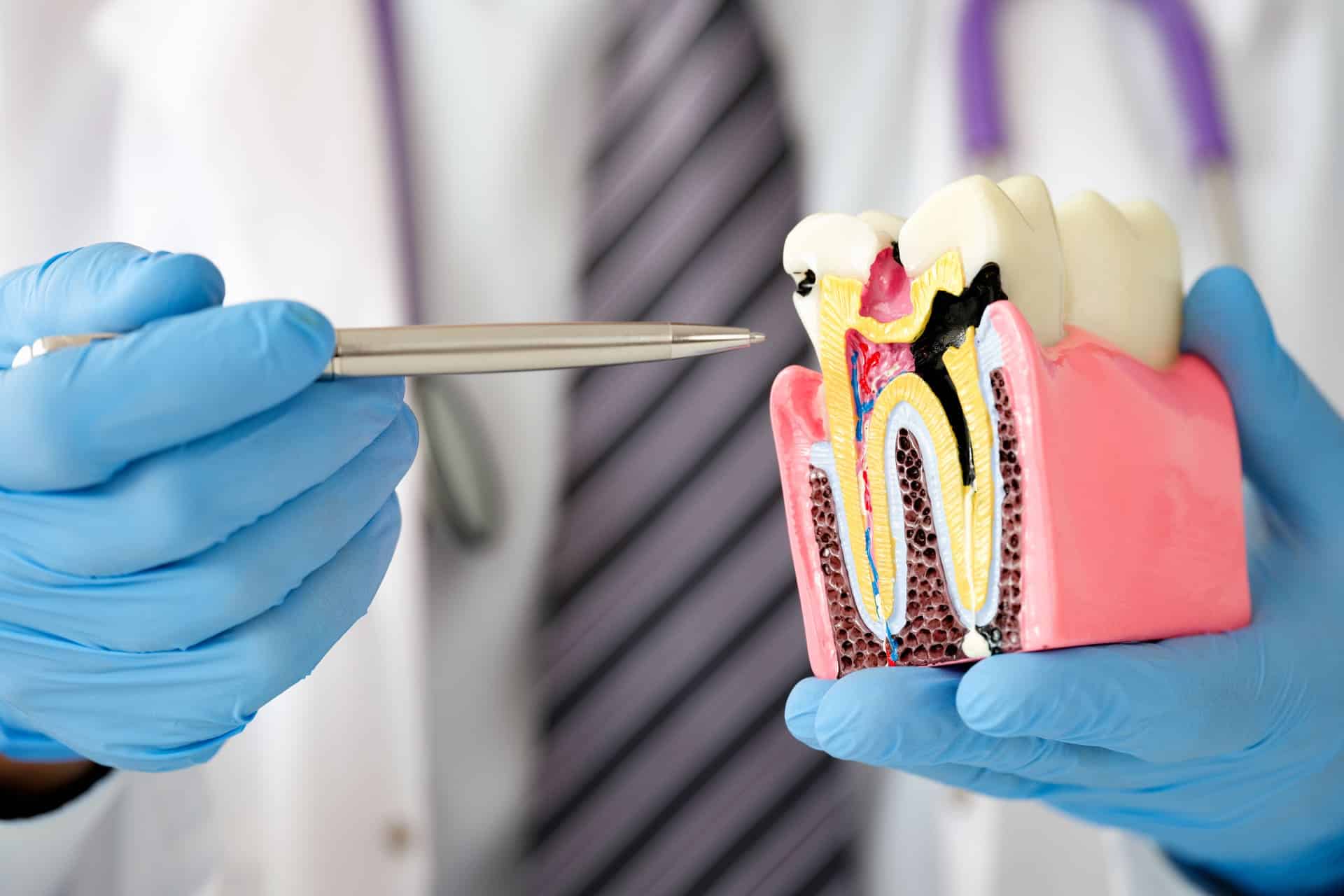
Removing a tooth is a last resort, but when it is needed it fixes real problems.
- Pain from a tooth that is cracked or decayed past the point of repair.
- Infection that keeps coming back around a failing tooth.
- Damage to neighboring teeth from a tooth that is breaking apart.
- Crowding that keeps you from getting the alignment or denture fit you need.
- A loose tooth from advanced gum disease that will not tighten back up.
Leaving a badly infected tooth in place does not make the problem hold still. It spreads, and it gets more expensive and more painful to deal with.
How an Extraction Works

We take an X-ray and look closely at the tooth, the root, and the bone around it.

We talk through whether the tooth can be saved, and what each option costs.

If removal is the right call, we numb the area completely and check that you are comfortable before starting.

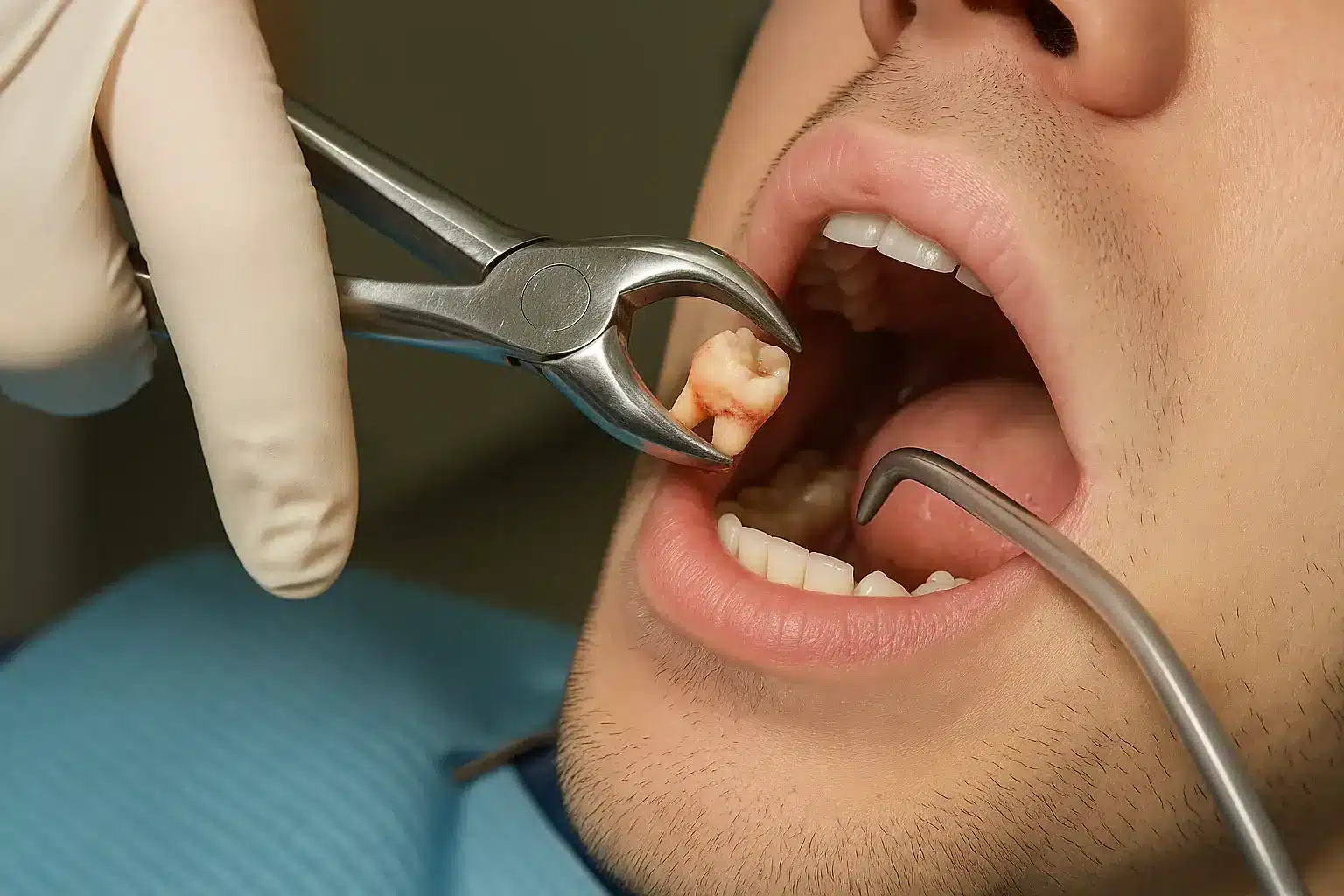
We loosen the tooth gently and lift it out. You feel pressure, not pain.

We clean the socket, place gauze, and get the bleeding under control.

We go over aftercare with you in plain language and send written instructions home.
We take an X-ray and look closely at the tooth, the root, and the bone around it.
We talk through whether the tooth can be saved, and what each option costs.
If removal is the right call, we numb the area completely and check that you are comfortable before starting.
We loosen the tooth gently and lift it out. You feel pressure, not pain.
We clean the socket, place gauze, and get the bleeding under control.
We go over aftercare with you in plain language and send written instructions home.
Your Options Before an Extraction
Pulling the tooth is one path. It is rarely the only one, and we walk through the alternatives first.
Saving the tooth. A filling or a crown often rescues a tooth that looks hopeless. If decay has reached the nerve, a root canal may save it, and we will refer you to a specialist for that.
Treating the gums. A tooth loose from gum disease sometimes stabilizes after deep cleaning. It depends how far things have gone, and we will be straight with you about the odds.
Removing it. When the tooth is fractured below the gumline, decayed beyond repair, or infected past saving, removal is the honest answer.
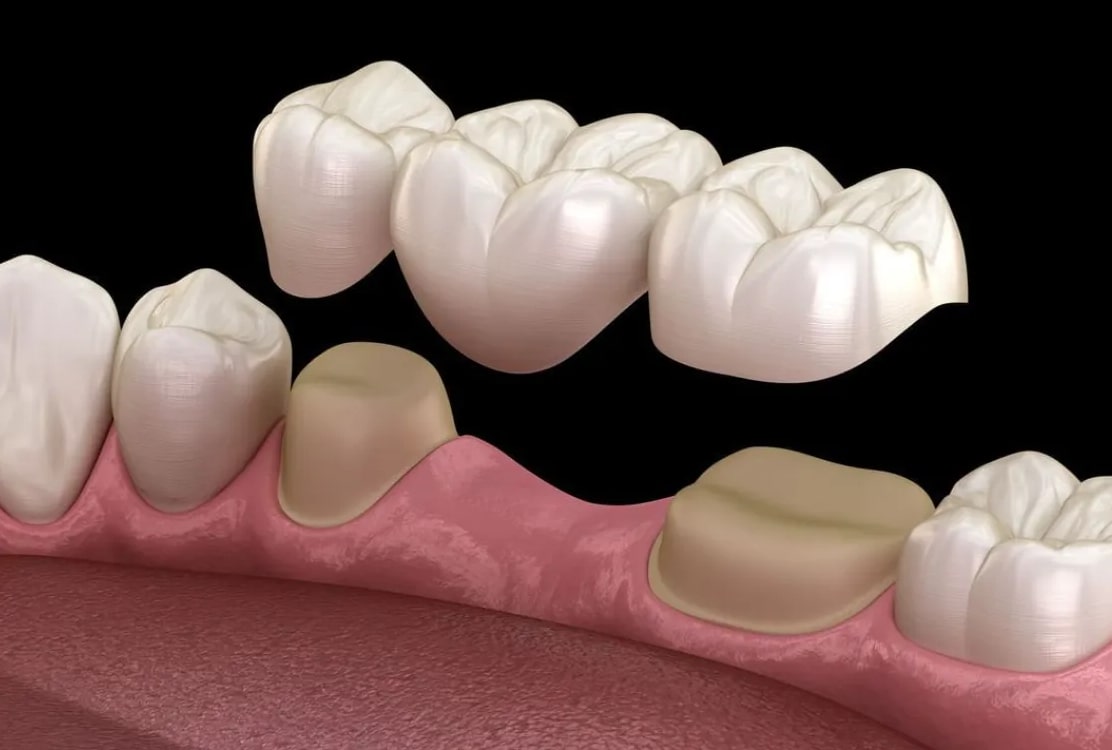
We also plan for what comes after. A missing tooth lets the ones around it drift, so we will talk about a bridge, a partial denture, or an implant restoration before you leave.

The Benefits of Getting It Done Right
- A well-handled extraction ends the pain and protects everything around it.
- The infection stops spreading. The constant ache goes away. Your other teeth are no longer at risk from the one that was failing. And because we plan the replacement at the same time, you are not left with a gap and no direction.
- Done poorly or put off too long, an extraction turns into an emergency, a bone problem, or a bigger bill. Timing matters more than people expect.
How to Know You May Need an Extraction
Most people sense it before they hear it. Watch for these.
- Deep, constant pain in one tooth that will not settle down.
- A tooth that is visibly broken, split, or worn to the gumline.
- Swelling in your gum or face near a specific tooth.
- A bad taste or drainage around one spot that keeps returning.
- A tooth that wiggles when you touch it, in an adult mouth.
- You have been told before that a tooth is not savable and you have been putting it off.
Urgent versus not.
Facial swelling, fever, or pain you cannot control with over-the-counter medicine means call now, not next week. Infection that reaches beyond the tooth is a medical problem, not just a dental one. A tooth that is broken but not painful still needs to be seen soon, just not tonight.
What happens if you wait.
Decay does not pause. An infection can move into the bone and the surrounding tissue. What could have been a simple removal becomes a surgical one, sometimes with a specialist and a larger bill. Waiting also costs you bone in the socket, which makes replacing the tooth harder later.
What a dentist sees that you cannot.
The X-ray shows what is happening below the gumline: the root, the bone, and whether infection has spread. A tooth that looks fine from the top is sometimes hollow underneath, and a tooth that looks terrible is sometimes very savable.
When we refer you out.
If your tooth is impacted, broken off below the gum, or you need several teeth removed at once, an oral surgeon is the right person. We will tell you that plainly and help you get there. Wisdom teeth in particular go to a surgeon, not to us.
What Does an Extraction Cost?
It depends on the tooth and what is going on around it. A straightforward removal costs less than one complicated by infection or a fractured root.
Three things drive the number: how difficult the tooth is to remove, whether X-rays are needed, and what you decide to do about replacing it.
Most dental plans cover a share of a simple extraction as basic care, often a solid portion once your deductible is met. We check your benefits before your visit and tell you your estimated share before anything starts. No coverage? Ask about CareCredit financing and our in-office Friends and Family plan.
No coverage? Ask us about CareCredit financing
and our in-office Friends and Family plan.
Frequently Asked Questions
Does getting a tooth pulled hurt?
You should not feel pain, only pressure. We numb the area completely and check with you before we begin. If you feel anything sharp, we stop and add more.
How long does recovery take?
Most people feel noticeably better within two or three days, and the socket closes over the following weeks. We send you home with clear instructions and a number to call if anything worries you.
Do you remove wisdom teeth?
No. Wisdom teeth are usually impacted, and those belong with an oral surgeon. We will take a look, tell you honestly what you are dealing with, and refer you to someone we trust.
What can I eat afterward?
Soft, cool foods for the first day or two, and skip straws, smoking, and anything crunchy. We go through the full list with you before you leave.
Do I have to replace the tooth?
For a back tooth, usually yes, because the teeth around a gap drift and your bite changes. We will show you the options and their costs, with no pressure to decide that day.
Can I be sedated?
We keep you comfortable with local anesthetic and a calm pace. If you need deeper sedation, we will tell you and point you toward a provider who offers it.
Related Services
If you are facing an extraction, these usually come up too.
- Emergency Dentistry, if the pain cannot wait.
- Dentures, for replacing one or several missing teeth.
- Dental Implant Restorations, for a permanent replacement.
- Bridges, when the teeth on either side of the gap are healthy.
Schedule Your Visit in Louisville
Keeping your smile healthy starts with one easy visit. Whether it
has been six months or six years, you are welcome here, and we
will make it comfortable.