Dental Bridges in Louisville, KY
A bridge fills the gap in one or two visits. We will also tell you honestly when something else would serve you better.
Dental Bridges
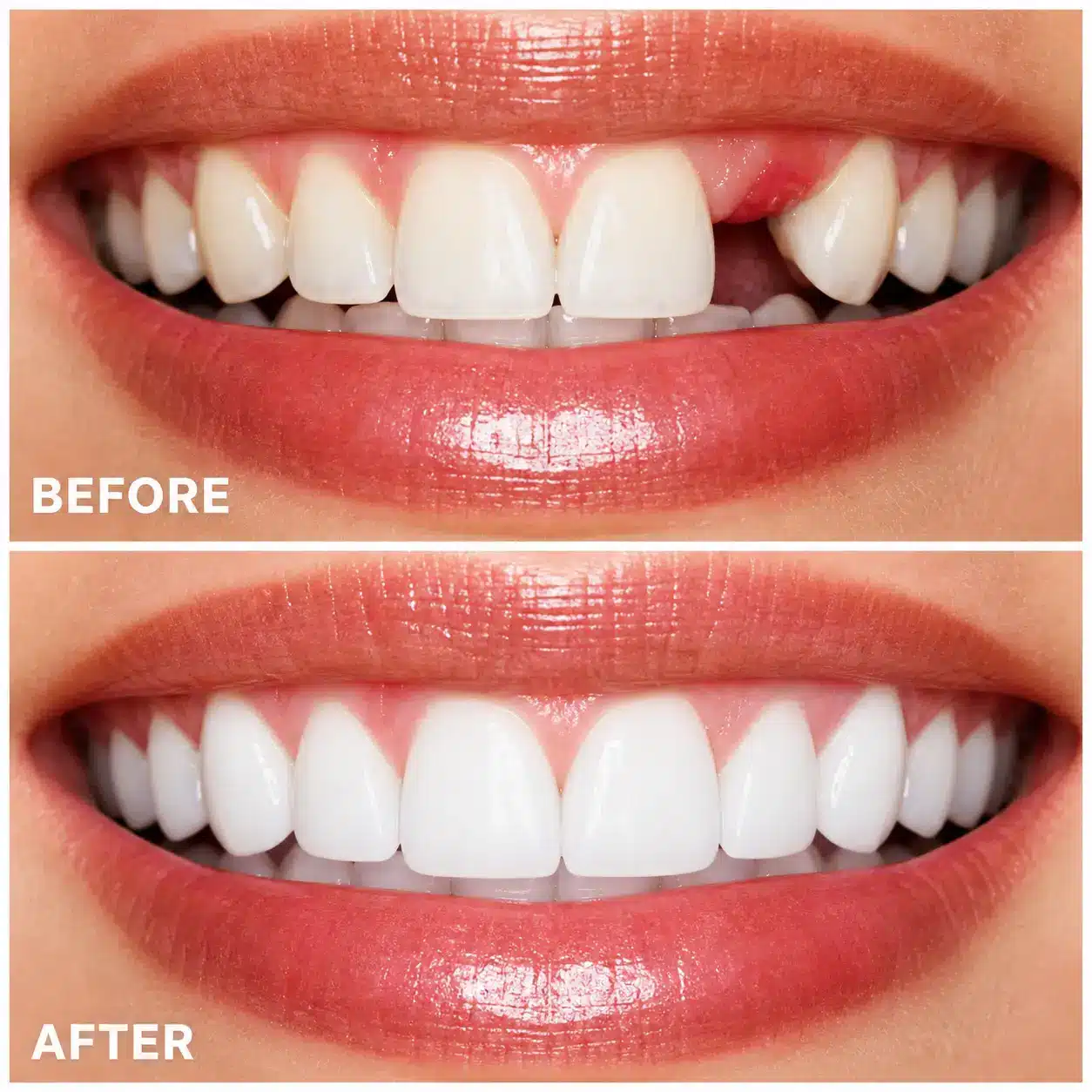
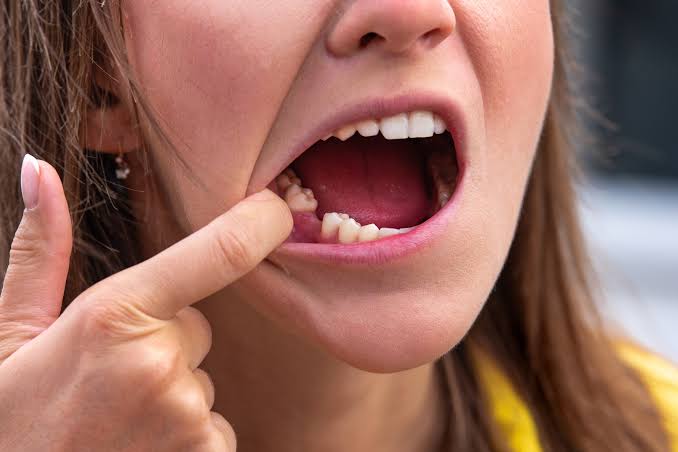
A missing tooth is not just a cosmetic problem. The teeth around it drift, your bite shifts, and chewing moves to one side.
A bridge closes that gap using the teeth on either side for support. It works, it is quicker than an implant, and for some people it is exactly right.
It is also not our default recommendation, and we will explain why below rather than burying it. Call (502) 206-2460 if you would rather just talk it through.
What Is a Dental Bridge?
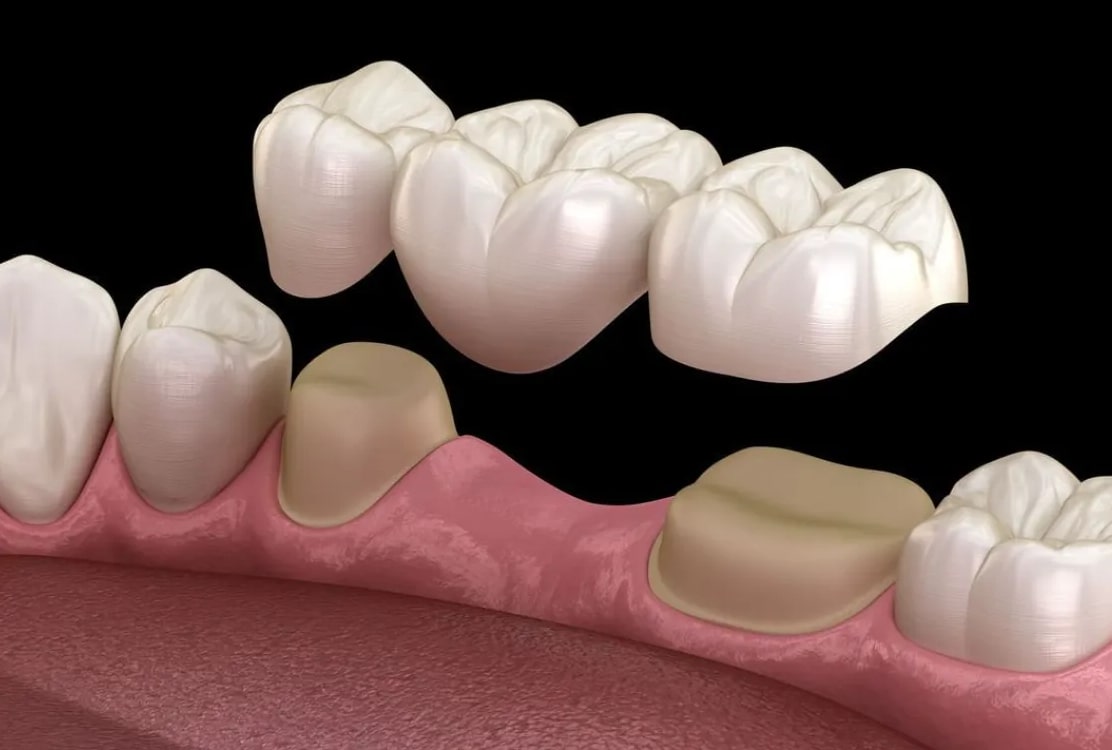
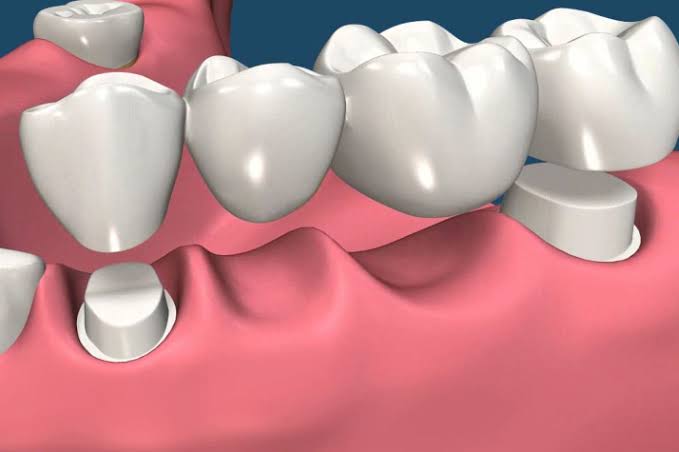
A bridge is a set of connected crowns that fills a gap where a tooth used to be. The false tooth in the middle is held by crowns cemented onto the healthy teeth on each side.
It is fixed in place, so it does not come out like a partial denture. Once it is cemented, you brush it and live with it like a normal tooth, with a little extra care underneath.
The tradeoff is built into the design: to hold the crowns, the two supporting teeth have to be filed down. Those teeth are permanently changed, even if they were perfectly healthy.
Problems a Bridge Solves
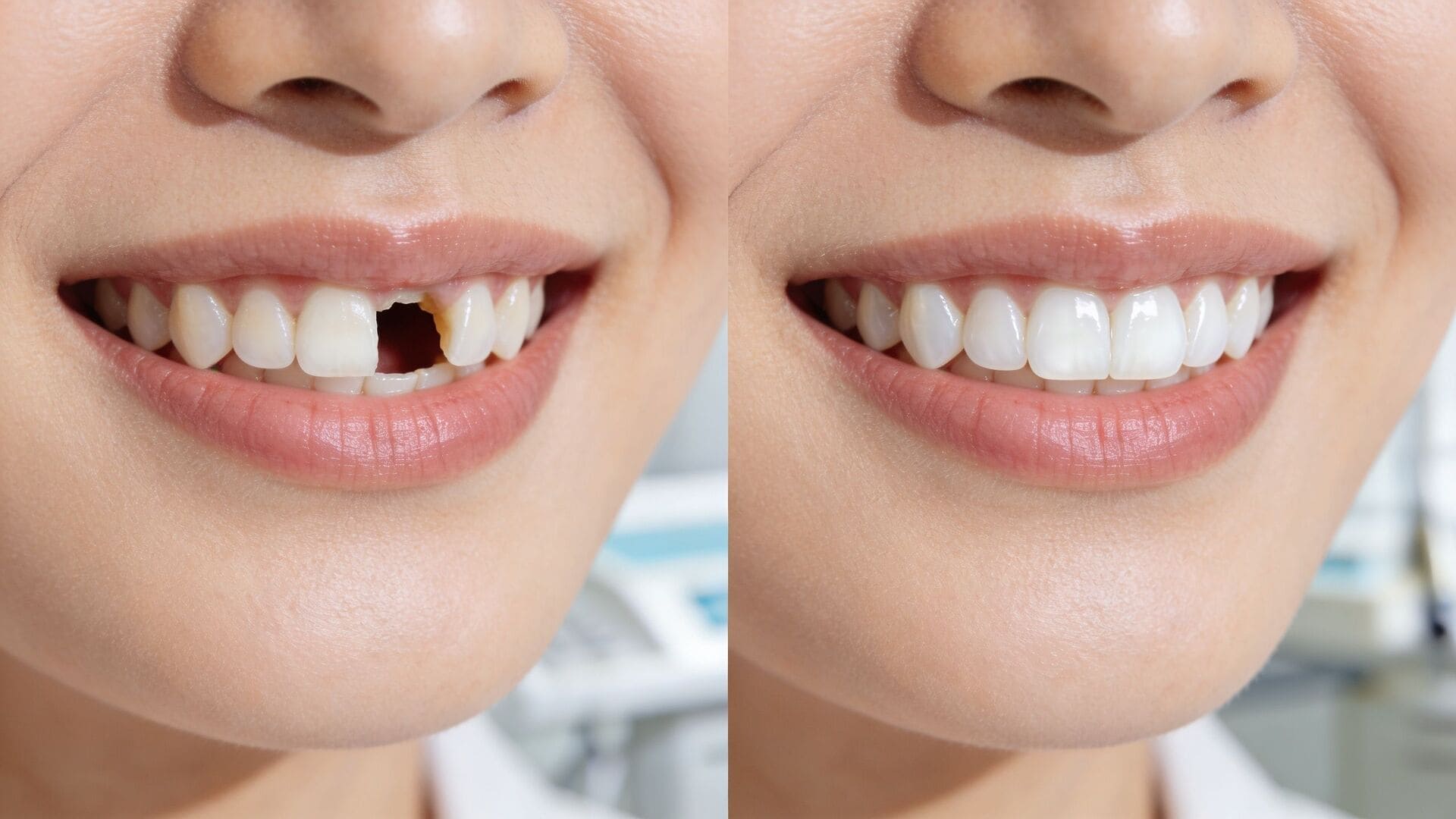
Leaving a gap alone causes a chain of problems that get harder to fix over time.
- Neighboring teeth tilting into the empty space.
- The opposing tooth drifting down or up because nothing meets it.
- A bite that gradually goes uneven, which wears teeth and strains your jaw.
- Chewing pushed onto one side of your mouth.
- A visible gap when you smile or talk.
- Food packing into the space every time you eat.
How Getting a Bridge Works

We examine the gap, X-ray the supporting teeth, and check that they are strong enough to carry a bridge.

We walk through your options honestly, including the ones that are not a bridge.

If a bridge is your choice, we numb the area and shape the two supporting teeth.

We take an impression and match the shade to your surrounding teeth.

You leave with a temporary bridge so you are never walking around with a gap.

The lab builds the permanent bridge, usually in about two weeks.
We examine the gap, X-ray the supporting teeth, and check that they are strong enough to carry a bridge.
We walk through your options honestly, including the ones that are not a bridge.
If a bridge is your choice, we numb the area and shape the two supporting teeth.
We take an impression and match the shade to your surrounding teeth.
You leave with a temporary bridge so you are never walking around with a gap.
The lab builds the permanent bridge, usually in about two weeks.
Your Options for
Filling a Gap
Here is the honest comparison, including where a bridge loses.
A bridge is faster and usually costs less than an implant. It is fixed and it looks natural. The cost is those two healthy teeth: they get permanently reshaped, and if either one ever fails, the whole bridge fails with it. A bridge typically lasts around ten to fifteen years before it needs replacing.
An implant restoration replaces just the missing tooth, touching nothing on either side. It also preserves the bone in the gap, which a bridge does not. It takes longer and costs more up front, and it usually costs less over a lifetime because it lasts longer. This is what Dr. Beam recommends most often.
A partial denture is removable and the least expensive path. It makes the most sense when several teeth are missing rather than one.
Doing nothing is occasionally reasonable, usually for a very back tooth that is not affecting your bite. We will tell you when that is genuinely fine rather than selling you something.
Dr. Beam does not place implants surgically. If an implant is your best option, she refers you to an oral surgeon she trusts and then restores the crown herself.
The Benefits of Getting It Done Right
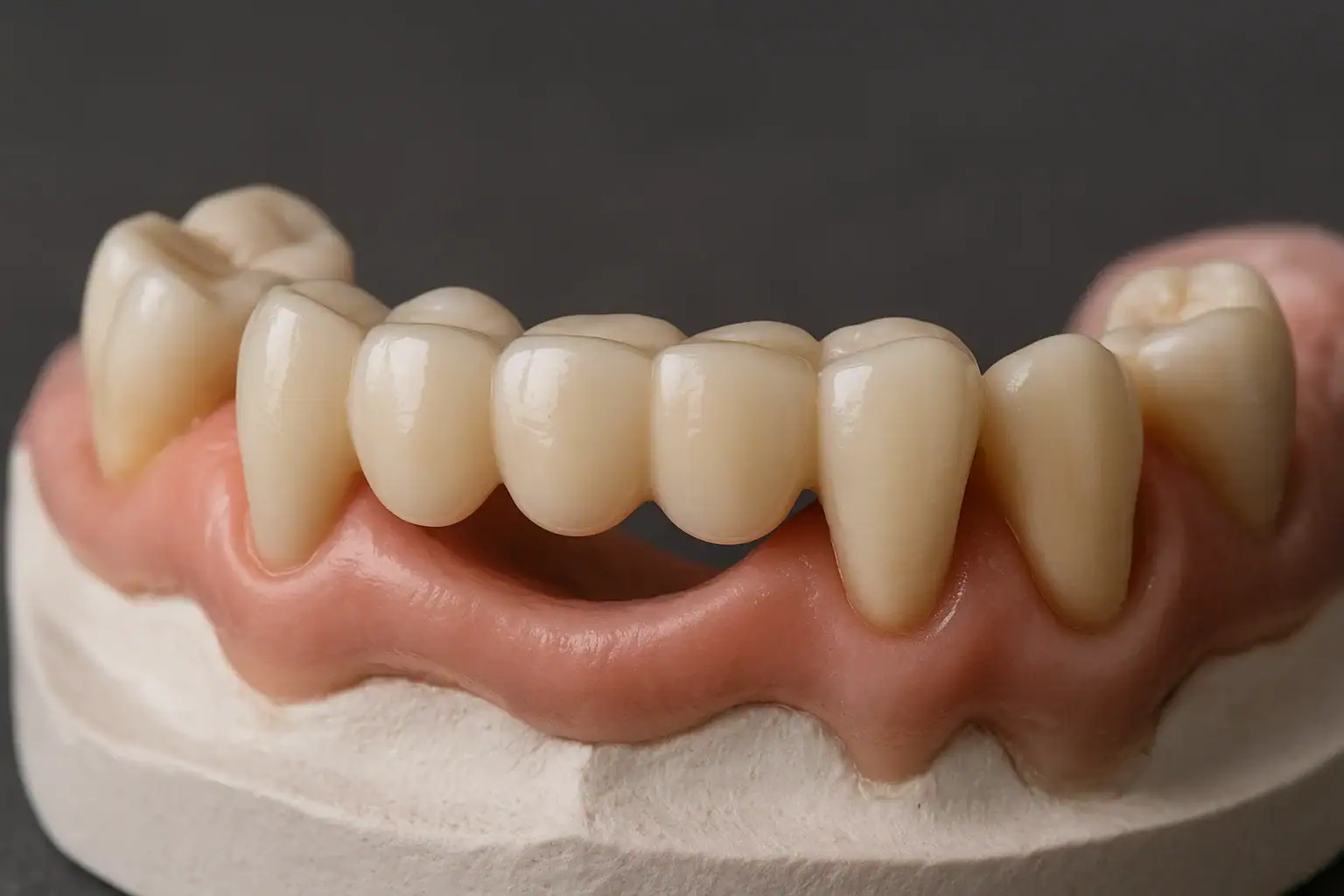
- A well-made bridge is comfortable enough that you stop thinking about it.
- You chew evenly on both sides again. Your remaining teeth stay where they belong. The false tooth matches the ones beside it, so nobody notices. And your bite stays stable instead of slowly shifting.
- The fit under the bridge matters more than people realize. A poor margin traps food and bacteria against the supporting teeth, and decay under a bridge is difficult to catch and expensive to fix. That is why we take the time on fit and check it at every cleaning afterward.
How to Know a Bridge Might Be Right for You
A bridge tends to make sense in specific situations.
- You are missing one tooth, or two side by side.
- The teeth on both sides of the gap are healthy and strong.
- Those teeth already have large fillings or crowns, so reshaping them costs you little.
- You want the gap closed in weeks rather than months.
- An implant is not an option for you medically or financially.
When an implant fits better.
If the teeth on either side are pristine, grinding them down to hold a bridge is a real loss. In that case we will point you toward an implant even though it means referring part of the work out.
What happens if you wait.
The teeth around a gap keep moving. After a year or two of drifting, they may no longer line up well enough to support a bridge cleanly, which can mean orthodontic work first or a more complex plan. Bone in the gap also shrinks over time, which affects your options later.
What a dentist sees that you cannot.
We check whether the supporting teeth have the root structure and bone to carry the extra load for years. A tooth can look fine and still be a poor anchor.
What Does a Bridge Cost?
A bridge is priced by the number of units, meaning the false tooth plus each supporting crown. A standard three-unit bridge covers one gap with a crown on each side.
The main factors are how many units you need, the material, and whether the supporting teeth need work before they can carry it.
Most dental plans treat bridges as major care, so expect lower coverage than for a filling, and check for a waiting period. We verify your benefits before you commit and give you your estimated share in writing. CareCredit financing and our in-office Friends and Family plan can help spread it out.
Worth weighing: an implant usually costs more up front and often less across twenty years, because a bridge is likely to need replacing at least once. We will lay both numbers out honestly.
No coverage? Ask us about CareCredit financing
and our in-office Friends and Family plan.
Frequently Asked Questions
How long does a bridge last?
Usually ten to fifteen years with good care. What ends most bridges is decay in a supporting tooth, so cleanings and flossing under the bridge matter a lot.
Why do you recommend implants over bridges?
Because a bridge requires reshaping two healthy teeth, and an implant does not. If those neighbors are already crowned or heavily filled, a bridge costs you much less, and then it is a good choice.
Does getting a bridge hurt?
No. The area is fully numbed while the supporting teeth are shaped. Some sensitivity for a few days afterward is normal.
How do I clean under a bridge?
With a floss threader or a small interdental brush. We show you exactly how at your fitting, and it becomes routine quickly.
Can I get a bridge if I have gum disease?
Not until the gums are treated. A bridge needs a healthy foundation, so we handle the gum health first and then talk about replacement.
Do you make same-day bridges?
No. We do not have same-day milling here, so a bridge takes two visits with a temporary in between. The lab work is what makes the fit and the color right.
Related Services
These come up in most bridge conversations.
- Dental Implant Restorations, usually the longer-lasting alternative.
- Crowns, since a bridge is built from connected crowns.
- Dentures, when several teeth are missing.
- Extractions, when a failing tooth has to come out first.
Schedule Your Visit in Louisville
Keeping your smile healthy starts with one easy visit. Whether it
has been six months or six years, you are welcome here, and we
will make it comfortable.