Dentures in Louisville, KY
Dentures that fit right, look natural, and let you eat what you actually want to eat.
Dentures
Losing teeth changes how you eat, how you talk, and how often you smile in photos. A denture that fits well gives most of that back.
How you got here does not matter to us. Illness, an accident, years without access to care, or a mouth that just wore out. There is no lecture in this office.
Ready to talk about it?
Call (502) 206-2460 and we will start with a conversation, not a plan you did not ask for.
What Are Dentures?
Dentures are removable replacements for missing teeth. They rest on your gums and restore your ability to chew and speak, along with the shape of your face.
A full denture replaces all the teeth on your upper jaw, your lower jaw, or both. A partial denture fills in gaps when you still have healthy teeth left, and it clasps onto them for support.
Every denture we make is custom. We take impressions of your mouth, choose a tooth shape and shade with you, and adjust the fit until it is right.
Problems Dentures Solve
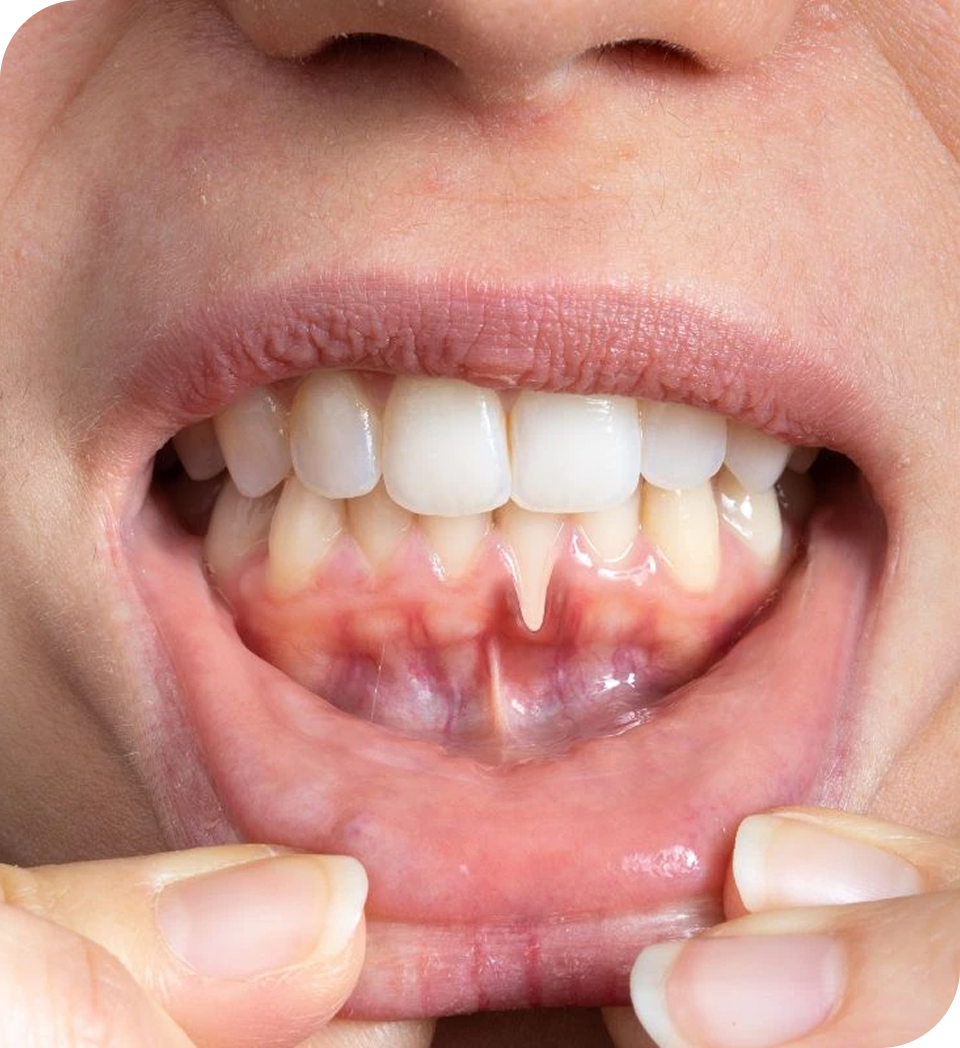
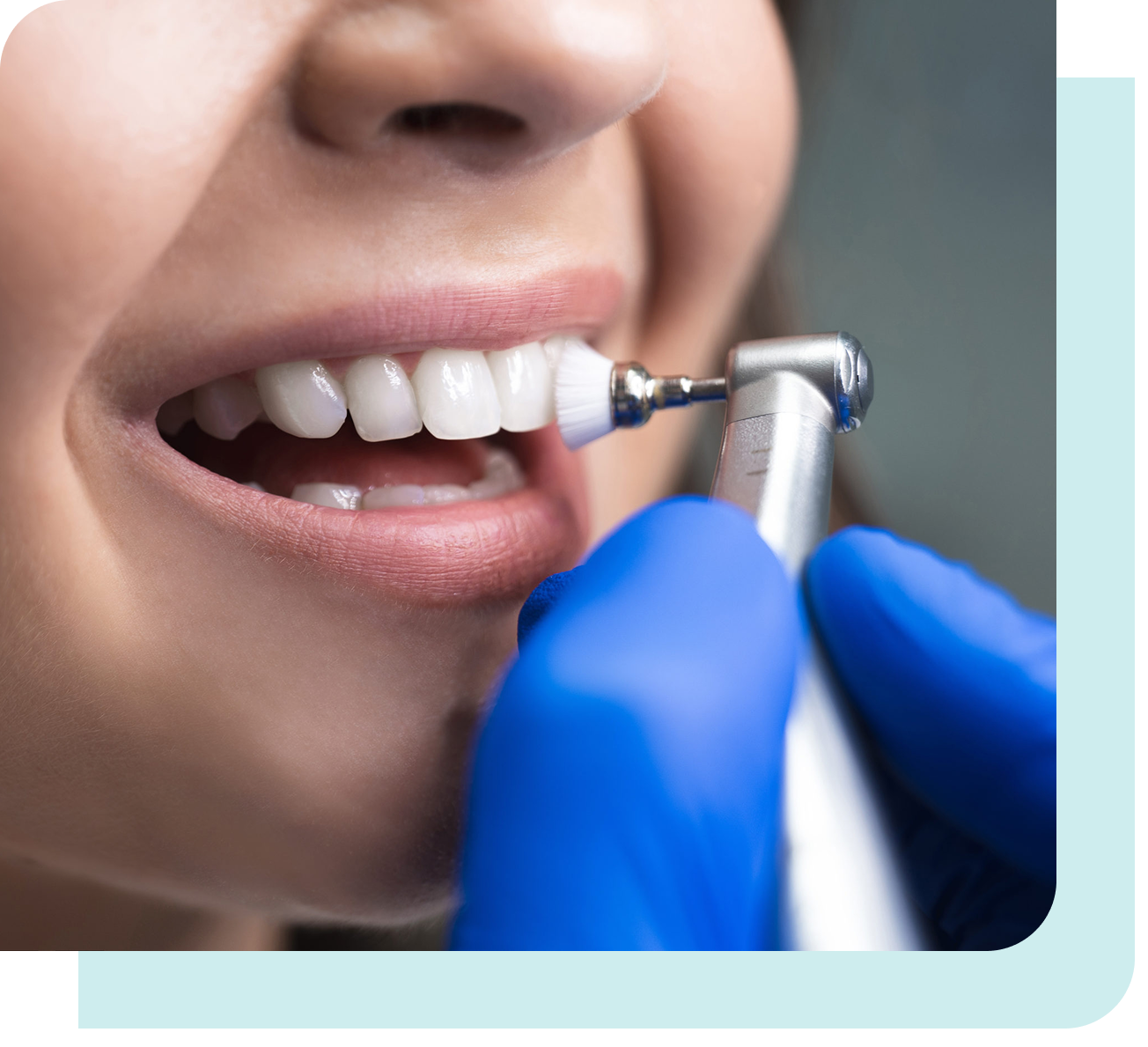
Missing teeth cause more trouble than most people expect.
- Not being able to chew foods you used to enjoy, which quietly narrows your diet.
- Words that slip or whistle when you talk.
- A face that looks sunken, because teeth support your lips and cheeks.
- Remaining teeth drifting into the gaps and changing your bite.
- Avoiding photos, or covering your mouth when you laugh.
- An old denture that clicks, slips, or rubs a sore spot every day.
How Getting Dentures Works

We examine your mouth, take X-rays, and talk about what you want to be able to do again.

If any teeth need to come out first, we plan that and let the gums heal, unless an immediate denture is the better route.

We take detailed impressions of your gums and jaw.

You choose the tooth shape and shade with us, so the result looks like you and not like a set of teeth.

We try in the denture and check your bite, your speech, and how it looks when you smile.

The lab finishes it, we fit it, and we adjust until it feels right.
We examine your mouth, take X-rays, and talk about what you want to be able to do again.
If any teeth need to come out first, we plan that and let the gums heal, unless an immediate denture is the better route.
We take detailed impressions of your gums and jaw.
You choose the tooth shape and shade with us, so the result looks like you and not like a set of teeth.
We try in the denture and check your bite, your speech, and how it looks when you smile.
The lab finishes it, we fit it, and we adjust until it feels right.
Your Denture Options
Different situations call for different answers. Here is what we make.
Full dentures replace a complete arch of teeth, top or bottom. They are made after your gums have healed from any extractions, which gives the most accurate fit.
Immediate dentures go in the same day your teeth come out, so you never go without teeth. The tradeoff is honest: your gums shrink as they heal, so an immediate denture needs relining or replacing later. Many people accept that tradeoff gladly, and we will explain both paths.
Partial dentures fill in the gaps when you still have healthy teeth. Keeping your natural teeth is almost always worth it, and a partial lets you do that.
Implant-supported dentures snap onto implants placed in your jaw and do not move at all. Dr. Beam does not place implants, so this path starts with a specialist. She restores the denture side afterward, and she will refer you to a surgeon she trusts if this is the right fit for you.
If a bridge or an implant restoration suits your situation better than a denture, we will say so.
The Benefits of a Well-Made Denture
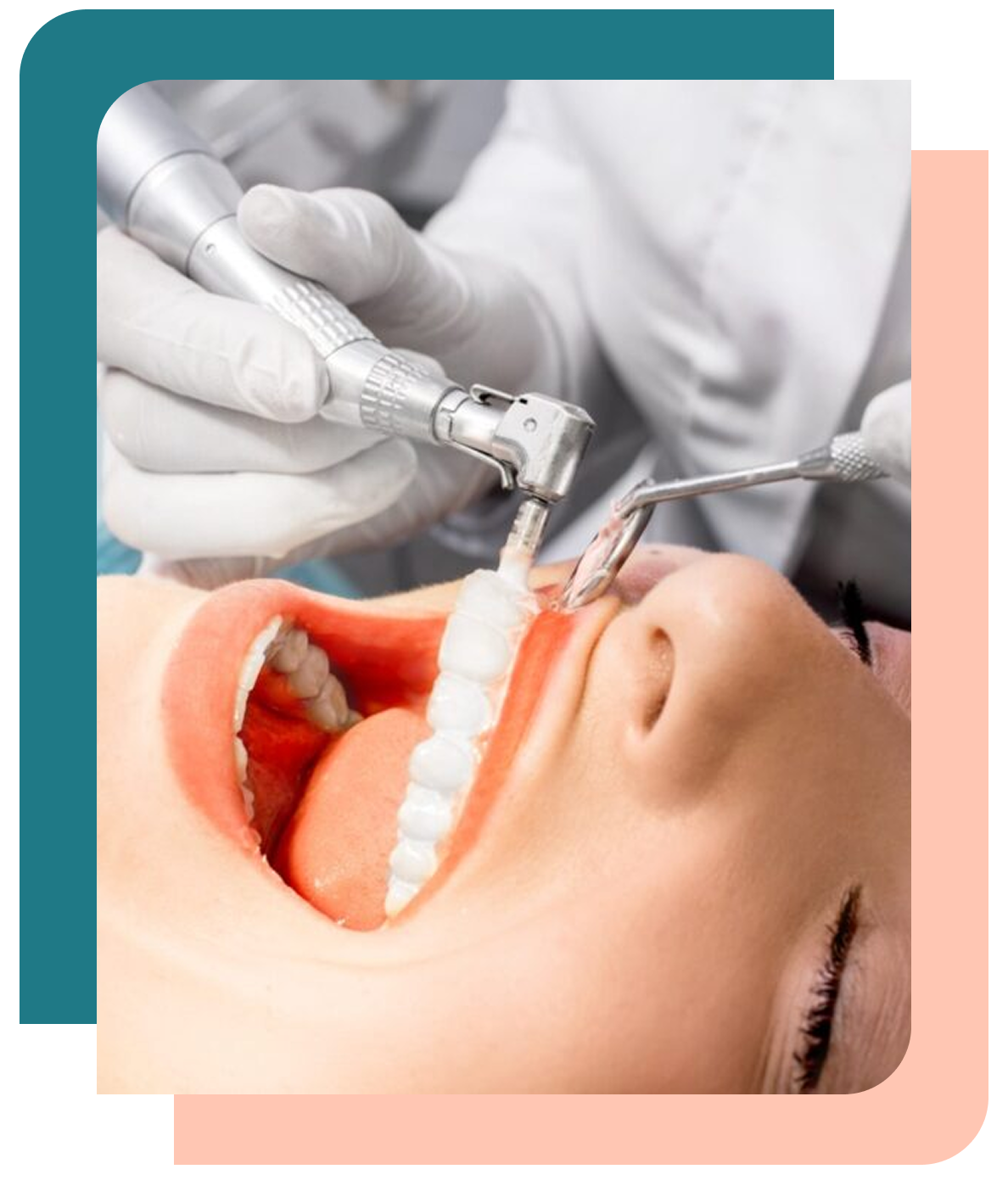
- A denture that fits changes your daily life in ways that are easy to underestimate.
- You eat normally again. You speak without thinking about it. Your face keeps its natural shape instead of collapsing inward. And you stop planning your day around your teeth.
- A poorly fitted denture does the opposite. It slips, it rubs, and it ends up in a drawer. That is why we take the extra visits to get the fit right rather than handing you something close enough.


How to Know Dentures Might Be Right for You
These are the signs it is time for the conversation.
- You are missing several teeth, or you have been told the remaining ones cannot be saved.
- You avoid certain foods because chewing them is not worth it.
- Several teeth are loose from gum disease.
- Your current denture slips, clicks, or creates sore spots.
- Your denture is more than five to seven years old and has never been relined.
- You have gaps you have been living around for years.
What happens if you wait.
Your jawbone shrinks where teeth are missing, and that changes the shape your denture has to fit. The longer you wait, the less ridge there is to hold it in place. Waiting also lets your remaining teeth drift and wear unevenly, which can turn a partial into a full denture sooner than necessary.
What a dentist sees that you cannot.
We look at bone height, gum health, and how your jaws come together. Those decide whether a denture will stay put, and whether a partial can be supported by the teeth you have left.
When something else fits better.
If most of your teeth are healthy and you are missing one or two, a bridge or an implant restoration is usually the better answer. Dentures are the right call for widespread loss, not for a single gap.
What Do Dentures Cost?
It depends on which type you need, whether extractions come first, and whether you need one arch or both.
A partial costs differently than a full denture. An immediate denture usually carries a later reline or replacement, and we tell you that up front rather than after.
Most dental plans treat dentures as major care, so coverage is typically lower than for a cleaning, and some plans have a waiting period. We verify your benefits before you commit and tell you your real share. CareCredit financing and our in-office Friends and Family plan are both available if you need to spread the cost out.
No coverage? Ask us about CareCredit financing
and our in-office Friends and Family plan.
Frequently Asked Questions
Will people be able to tell?
Not if it is made well. You pick the shape and shade with us, and the goal is teeth that suit your face and your age, not a bright white set that announces itself.
How long until I can eat normally?
Give yourself a few weeks. Start with soft foods, cut things smaller, and chew on both sides. Most people are eating comfortably within a month or so.
Will my dentures slip?
A well-fitted denture holds well, though lower dentures move more than upper ones because there is less ridge to grip. If yours slips, come in. That usually means it needs a reline, not replacing.
Do you place implants for implant-supported dentures?
No. Dr. Beam does not place implants surgically. She will refer you to an oral surgeon she trusts for placement, then handle the denture that attaches to them.
How long do dentures last?
Usually five to ten years, but your gums keep changing underneath, so most people need a reline before then. Regular checks catch fit problems before they cause sores.
Do I still need to see a dentist if I have no natural teeth?
Yes. We check your gums, your fit, and screen for oral cancer. Those visits matter just as much once your teeth are gone.
Related Services
These often come up alongside dentures.
- Extractions, when teeth need to come out before a denture is made.
- Dental Implant Restorations, for a fixed alternative to a removable denture.
- Bridges, when only one or two teeth are missing.
- Dental Exams and Cleanings, because gum health matters just as much with dentures.
Schedule Your Visit in Louisville
Keeping your smile healthy starts with one easy visit. Whether it
has been six months or six years, you are welcome here, and we
will make it comfortable.